High Clouds (5-13 km):
* Cirrus (Ci): Wispy, feathery clouds made of ice crystals.
* Cirrocumulus (Cc): Small, white, puffy clouds arranged in rows or patches.
* Cirrostratus (Cs): Thin, sheet-like clouds that cover the sky and often produce halos around the sun or moon.
Mid-Level Clouds (2-7 km):
* Altostratus (As): Gray or bluish-gray sheet-like clouds that cover the entire sky.
* Altocumulus (Ac): White or gray patches of clouds arranged in layers or rolls.
* Nimbostratus (Ns): Dark, gray, rain-producing clouds that cover the entire sky.
Low Clouds (0-2 km):
* Stratus (St): Gray, featureless clouds that cover the sky like a blanket.
* Stratocumulus (Sc): Gray or white patches of clouds arranged in rolls or rounded masses.
* Cumulus (Cu): Puffy, white clouds with flat bases and rounded tops.
Vertical Clouds:
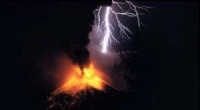
* Cumulonimbus (Cb): Tall, towering clouds that produce thunderstorms. These are often called "thunderheads".
Other Clouds:
* Lenticular (Len): Lens-shaped clouds that form over mountains.
* Mammatus (Mam): Rounded, pouch-like clouds that hang from the base of other clouds.
Note: These are the 10 basic cloud types, and they can further be subdivided into 14 subtypes based on their specific characteristics. However, using the 10 main types is generally sufficient for basic cloud identification.