Direct Measurements:
* Weather Balloons: These balloons carry instruments high into the atmosphere, measuring temperature, pressure, humidity, and wind speed.
* Ground-Based Stations: These stations, often located at airports or research facilities, measure various atmospheric parameters like temperature, humidity, wind speed, and precipitation.
* Satellites: Orbiting satellites provide a global view of the atmosphere, measuring temperature, humidity, cloud cover, ozone levels, and greenhouse gases.
* Aircraft: Research aircraft can fly through specific parts of the atmosphere, taking detailed measurements of various atmospheric components.
Indirect Measurements:
* Ice Cores: Analyzing ice cores from glaciers and ice sheets can reveal information about past atmospheric composition, temperature, and precipitation patterns.
* Tree Rings: Tree rings can provide insights into past climate conditions, such as temperature, precipitation, and drought.
* Ocean Sediments: Studying the composition of ocean sediments can provide information about past atmospheric conditions, including carbon dioxide levels and climate changes.
Modeling and Analysis:
* Climate Models: Computer models simulate the Earth's climate system, incorporating data from various sources to project future climate changes.
* Statistical Analysis: Data from various sources are analyzed statistically to identify trends, patterns, and correlations in atmospheric changes.
Specific Tools:
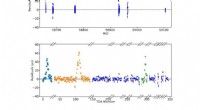
* Spectrometers: Used to measure the composition of the atmosphere, identifying gases like carbon dioxide, methane, and ozone.
* Lidars: Emit lasers to measure atmospheric properties, including temperature, humidity, and aerosols.
* Radars: Detect and track weather patterns, including precipitation, wind, and storms.
By combining these tools and techniques, scientists can gain a comprehensive understanding of the Earth's atmosphere and its changes over time. This knowledge is crucial for addressing issues like climate change, air pollution, and weather forecasting.