Extreme Temperatures:
* Daytime: Temperatures on Mercury can reach a scorching 800 degrees Fahrenheit (430 degrees Celsius) due to its proximity to the Sun. This would instantly vaporize any exposed human flesh.
* Nighttime: Temperatures plummet to -290 degrees Fahrenheit (-180 degrees Celsius). This extreme cold would also be fatal.
Lack of Atmosphere:
* Mercury has a very thin atmosphere, offering no protection from the Sun's radiation or the impact of meteoroids.
Solar Radiation:
* The intense solar radiation would cause severe burns and radiation sickness.
Cratered Surface:
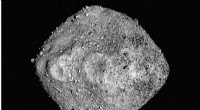
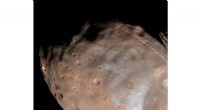
* Mercury's surface is heavily cratered, making it a dangerous place to traverse.
Gravity:
* Mercury's gravity is only about 38% of Earth's, meaning you would feel much lighter but it would make it difficult to move around.
No Liquid Water:
* There is no liquid water on Mercury, meaning survival would be impossible.
Other Challenges:
* Solar Flares: Mercury is frequently bombarded by solar flares, which can be deadly.
* No Breathable Air: The thin atmosphere is mostly composed of sodium, potassium, and helium, which are not breathable.
* No Food or Resources: There are no known food sources or other resources available on Mercury.
Possible Solutions:
* To survive on Mercury, humans would need to create a self-contained habitat with advanced technology. This would require a thick, radiation-shielded environment with a controlled atmosphere, a source of water and food, and the ability to generate power and heat.
In Conclusion:
Traveling to Mercury without advanced technology and proper preparation would result in almost instant death for a human.