1. Weather Balloons (Radiosondes):
* How it works: These are large, helium-filled balloons that carry instruments called radiosondes. The radiosondes measure temperature, humidity, wind speed and direction, and atmospheric pressure as the balloon ascends.
* Data transmission: The radiosondes transmit the data back to ground stations via radio signals.
* Frequency: Weather balloons are launched twice a day from hundreds of locations around the world.
* Advantages: They are relatively inexpensive and provide a direct measurement of atmospheric conditions.
* Limitations: They only measure conditions along the balloon's path and their data is limited to the balloon's altitude.
2. Satellites:
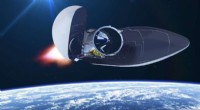
* How it works: Satellites orbit the Earth and collect data using various instruments, including:
* Microwave Sounders: Measure temperature, humidity, and precipitation at different atmospheric layers.
* Infrared Sensors: Detect temperature and cloud cover.
* Visible Light Sensors: Capture images of clouds and surface features.
* Data transmission: Data is transmitted back to ground stations via radio signals.
* Frequency: Satellites constantly collect data, providing continuous coverage.
* Advantages: Provide global coverage and data from multiple atmospheric layers.
* Limitations: Data is less accurate than direct measurements and can be affected by cloud cover.
3. Aircraft:
* How it works: Research aircraft are equipped with instruments to measure atmospheric conditions similar to radiosondes.
* Data transmission: Data is transmitted to ground stations via radio signals or stored for later analysis.
* Frequency: Aircraft flights are less frequent than balloon launches and satellite observations.
* Advantages: Provide detailed data in specific regions of interest.
* Limitations: Limited coverage and relatively expensive.
4. Doppler Radar:
* How it works: Radar systems on the ground emit radio waves that bounce off precipitation particles. The Doppler effect measures the speed and direction of the precipitation, providing information about wind patterns and storm movement.
* Data transmission: Radar data is displayed on computer screens and used to generate weather forecasts.
* Frequency: Radars are continuously operating, providing real-time information on weather conditions.
* Advantages: Provide detailed information on precipitation and wind patterns.
* Limitations: Limited to the range of the radar and can be affected by terrain.
5. Lidar:
* How it works: Similar to radar, lidar uses lasers to measure the distance to clouds, aerosols, and other atmospheric particles. This provides information on cloud height, density, and composition.
* Data transmission: Data is processed and analyzed to generate images and maps of atmospheric conditions.
* Frequency: Lidar systems are used for specific research purposes and less frequently than other methods.
* Advantages: Provide detailed information on cloud structure and composition.
* Limitations: Relatively expensive and requires clear weather conditions.
These are just a few examples of the methods used to gather weather data from high in the atmosphere. Scientists use a combination of these methods to provide the most complete and accurate picture of weather conditions around the world.