The Sun:
* The Center: The Sun is the center of our solar system, a massive star that holds everything in its gravitational pull.
* Energy Source: The Sun provides the light and heat that makes life possible on Earth.
* Earth's Orbit: Earth orbits the Sun in an elliptical path, taking about 365 days to complete one full orbit (a year).
The Earth:
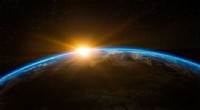
* A Planet: Earth is a planet that orbits the Sun.
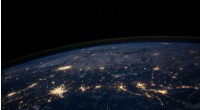
* Home: Earth is the only known planet in our solar system that can support life as we know it.
* Moon's Orbit: Earth has a natural satellite, the Moon, which orbits it.
The Moon:
* Earth's Satellite: The Moon is a natural satellite that orbits Earth.
* Gravitational Influence: The Moon's gravity has a significant impact on Earth, causing tides and stabilizing our planet's rotation.
* Reflects Sunlight: The Moon doesn't produce its own light; it reflects sunlight, which is why we see it in the night sky.
Key Relationships:
* Orbit: The Moon orbits the Earth, and Earth orbits the Sun.
* Gravity: The Sun's gravity keeps Earth in orbit, and Earth's gravity keeps the Moon in orbit.
* Sunlight: The Sun provides light to both Earth and the Moon.
* Tidal Forces: The Moon's gravity creates tides on Earth.
Additional Information:
* The Moon's orbit around Earth is not perfectly circular, it's slightly elliptical, which is why we see different phases of the Moon.
* The Earth-Moon system also orbits the Sun together.
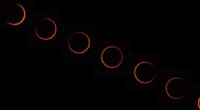
* The Earth, Moon, and Sun's alignment causes eclipses (solar and lunar).
This complex interplay of gravity, motion, and light creates a fascinating and dynamic system that sustains life on Earth.