* Friction: As a meteorite speeds through the atmosphere, it rubs against the air molecules. This constant rubbing creates friction, which generates heat. Imagine rubbing your hands together quickly – they get warm! The same principle applies to meteorites, but on a much larger scale.
* Compression: The meteorite's high speed forces the air in front of it to compress. This compression heats up the air, which in turn heats up the meteorite. Think of a bicycle pump – when you push the piston down, you compress the air inside, and it gets hot.
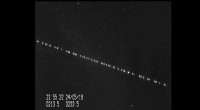
The combination of friction and compression creates intense heat that can melt the surface of the meteorite and even cause it to glow brightly, creating the phenomenon we know as a shooting star or meteor.
Here are some additional factors that contribute to the heating:
* Speed: The faster the meteorite, the more friction and compression it experiences, leading to more heat.
* Composition: The material the meteorite is made of affects how it reacts to heat. Some materials melt or vaporize more easily than others.
* Atmosphere Density: The denser the atmosphere, the more air the meteorite interacts with, increasing friction and heat.
It's important to note that not all meteorites make it to the ground. Many burn up completely in the atmosphere due to the intense heat. Those that do reach the Earth are usually smaller and have slowed down significantly.