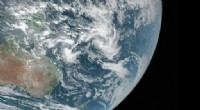
* Atmospheric Scattering: When moonlight passes through the Earth's atmosphere, the blue wavelengths of light scatter away more than the red wavelengths (this is the same reason the sky appears blue). This leaves the longer red wavelengths, which our eyes perceive as yellow, orange, or even red, especially when the moon is low on the horizon.
* Horizon Illusion: When the moon is low, it's seen through a thicker layer of air, leading to more scattering. Additionally, our brains tend to perceive things on the horizon as being larger and yellower.
* Dust and Pollution: Dust particles and pollutants in the atmosphere can also contribute to the yellow appearance of the moon.
Important Note: The moon's actual color is a greyish white. It doesn't have its own light, but reflects sunlight.