Astronomy & Science:
* Tides: The moon's gravity is the primary cause of Earth's tides.
* Lunar Phases: The different shapes of the moon we see as it orbits Earth.
* Lunar Eclipse: When the Earth passes between the Sun and Moon, casting a shadow on the Moon.
* Solar Eclipse: When the Moon passes between the Sun and Earth, blocking the sun's light.
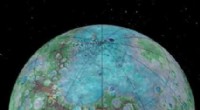
* Moon's Geology: Studying the composition of the moon's surface, including craters, maria, and highlands.
* Space Exploration: Missions to the Moon, including the Apollo program and future missions.
* Lunar Calendar: Some cultures use the moon's phases to track time.
Culture & Mythology:
* Moon Gods and Goddesses: Many cultures have deities associated with the moon. (e.g., Luna in Roman mythology, Artemis in Greek mythology)
* Lunar Symbolism: The moon has been used in art, literature, and symbolism to represent various concepts like beauty, mystery, and time.
* Moon Folklore: Many cultures have stories and legends about the moon and its influence on people and events.
Other:
* Moon Rocks: Pieces of the moon brought back by astronauts for scientific study.
* Moon Dust: Fine particles of rock and regolith on the lunar surface.
* Moon Illusion: The moon appearing larger when it's near the horizon.
* Moonlight: The light reflected from the sun off the moon's surface.
This list only scratches the surface! The moon is a rich source of inspiration and study for many different fields.