Composition and Structure:
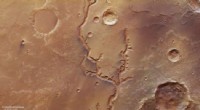
* Inner Planets: Primarily composed of rock and metal. They are smaller, denser, and have solid surfaces.
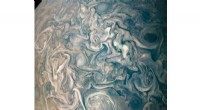
* Outer Planets: Primarily composed of gas (hydrogen and helium) and ice (water, methane, ammonia). They are larger, less dense, and lack solid surfaces.
Location and Orbit:
* Inner Planets: Located closer to the Sun, they have smaller orbits and shorter orbital periods.
* Outer Planets: Located further from the Sun, they have larger orbits and longer orbital periods.
Atmospheric Conditions:
* Inner Planets: Have thin atmospheres (except Venus).
* Outer Planets: Have thick atmospheres that create immense pressure and extreme temperatures.
Moons and Rings:
* Inner Planets: Have few or no moons (except Mars, which has two small moons).
* Outer Planets: Have numerous moons and prominent ring systems.
Evolution and Formation:
* Inner Planets: Formed in the hotter, inner part of the protoplanetary disk, where heavier elements could condense.
* Outer Planets: Formed in the colder, outer part of the protoplanetary disk, where lighter elements could condense.
Exploration and Study:
* Inner Planets: More accessible to study with spacecraft, allowing for detailed observations and missions.
* Outer Planets: More challenging to reach due to their distance and harsh environments.
Historical Context:
* Inner Planets: Were known to ancient civilizations, as they are visible to the naked eye.
* Outer Planets: Were discovered later through the use of telescopes.
This clear distinction helps us to understand the diverse characteristics of the planets within our solar system. By organizing them based on these key differences, we can study their individual properties more effectively and gain insights into the formation and evolution of our planetary system.
It's worth noting that the dwarf planet Pluto, while once considered an outer planet, is now classified separately due to its smaller size, different composition, and unique characteristics.