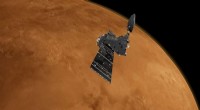
* Space: This is the ultimate solution. Telescopes in space, like the Hubble Space Telescope, are completely free from atmospheric distortion and light pollution. This allows them to observe the universe in its full glory across the electromagnetic spectrum, from visible light to infrared and ultraviolet.
* High Altitude Observatories: These observatories are built on mountaintops, like Mauna Kea in Hawaii or the Atacama Desert in Chile. They are above a significant portion of the atmosphere, reducing the amount of light scattering and blurring.
* Dry and Dark Locations: Observatories are often placed in remote, dry, and dark locations to minimize light pollution and atmospheric water vapor, which can interfere with observations. This is why many observatories are built in deserts or on high mountains far from cities.
Let me know if you'd like more detail on any of these locations!