Here's why:
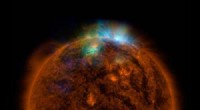
* Earth's Atmosphere is Our Shield: The atmosphere, specifically the ozone layer, effectively absorbs most of the harmful X-rays and UV radiation from the sun. This layer acts as a natural filter, preventing these rays from reaching the surface in large quantities.
* UV Radiation Still Reaches Us: While the ozone layer blocks most UV rays, some still make it through. This is why we need to wear sunscreen and protective clothing when exposed to the sun for extended periods.
* X-rays are a Smaller Threat: X-rays, while dangerous in high doses, are absorbed by the atmosphere more effectively than UV rays. However, prolonged exposure to high levels of X-rays from space can still cause damage.
The Effects of Harmful Rays:
* Ultraviolet (UV) Radiation:
* UV-A: Can cause premature aging of the skin and contribute to wrinkles.
* UV-B: Can cause sunburn, skin cancer, and eye damage.
* UV-C: The most harmful, but absorbed completely by the ozone layer.
* X-rays: Can damage cells and DNA, leading to cancer and other health problems.
In summary: While Earth's atmosphere protects us from the most damaging rays, we are still exposed to a significant amount of UV radiation that can cause harm. We need to take precautions like wearing sunscreen and limiting sun exposure to protect ourselves.