1. Moon's Gravity:
* The moon exerts a gravitational pull on the Earth, just as the Earth pulls on the moon.
* This pull is strongest on the side of the Earth facing the moon and weakest on the opposite side.
2. Tidal Bulges:
* The moon's gravity pulls the water on the side facing it, creating a bulge of water known as a high tide.
* On the opposite side of the Earth, the water is pulled away from the center of the Earth, also creating a bulge (another high tide).
* The areas between these bulges experience low tides.
3. Earth's Rotation:
* As the Earth rotates, different parts of the planet move through these tidal bulges.
* This is why we experience two high tides and two low tides each day, roughly 12 hours and 25 minutes apart.
4. Sun's Influence:
* The sun also exerts a gravitational pull on the Earth, but it's weaker than the moon's because it's much farther away.
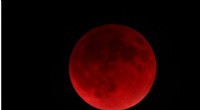
* When the sun, moon, and Earth align (during new and full moons), their gravitational forces combine to create spring tides, which have higher high tides and lower low tides.
* When the sun and moon are at right angles to each other (during quarter moons), their gravitational forces partially cancel each other out, resulting in neap tides, which have less extreme differences between high and low tides.
In summary: The moon's gravitational pull creates tidal bulges on Earth, which cause the rise and fall of the sea levels. The sun's influence also plays a role, making tides stronger or weaker depending on the relative positions of the sun, moon, and Earth.