1. Lunar Regolith: This is the actual surface material of the Moon. It's not sand like you find on Earth, but rather a fine-grained, powdery mixture of rock, dust, and glass particles.
How it works: Lunar regolith is formed over millions of years by a combination of:
* Micrometeoroid impacts: These tiny space rocks constantly bombard the lunar surface, breaking down existing rocks into smaller particles.
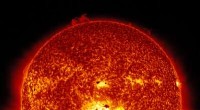
* Solar wind: This stream of charged particles from the Sun erodes and alters the regolith's composition.
* Volcanic activity: Past volcanic eruptions on the Moon have deposited volcanic ash and dust, contributing to the regolith.
2. Play Sand: This is a type of sand used for children's play areas, sometimes referred to as "moon sand" due to its texture and ability to hold shapes.
How it works: Play sand is typically a mixture of fine sand and a binding agent like cornstarch or a polymer. This binding agent allows the sand to hold its shape when molded, resembling the consistency of wet sand.
Key Differences:
* Origin: Lunar regolith is naturally occurring on the Moon, while play sand is a man-made product.
* Composition: Lunar regolith is a mixture of rock fragments, dust, and glass, while play sand is typically fine sand with a binding agent.
* Behavior: Lunar regolith is a loose, powdery substance, while play sand can hold its shape due to the binding agent.
Therefore, "moon sand" is a playful term used to describe both the actual lunar surface material and a type of play sand that resembles its texture.