The Inner Planets:
* Mercury: This speedy planet, zipping around the sun, was named after the Roman messenger god, Mercury, known for his swiftness.
* Venus: The brightest object in the night sky (other than the moon), Venus was named after the Roman goddess of beauty and love.
* Earth: Our planet's name comes from Old English and Germanic roots, meaning "ground" or "soil". It's the only planet not named after a deity.
* Mars: This red planet, seemingly stained with blood, was named after the Roman god of war.
The Outer Planets:
* Jupiter: The largest planet in our solar system, Jupiter was named after the Roman king of the gods, known for his power and authority.
* Saturn: The second largest planet and known for its beautiful rings, Saturn was named after the Roman god of agriculture and time.
* Uranus: Discovered in 1781, Uranus was named after the Greek god of the sky. This was a departure from the Roman god names used for the other planets.
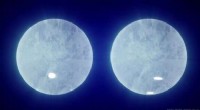
* Neptune: Found in 1846, Neptune was named after the Roman god of the sea, fitting for its blue color.
* Pluto: Originally classified as a planet but later reclassified as a dwarf planet, Pluto was named after the Roman god of the underworld.
Key Factors in Naming:
* Ancient Mythology: Most planets were named after Roman and Greek gods, reflecting the belief that these celestial bodies held divine power.
* Physical Characteristics: Some names, like Mars' red color, were inspired by the planet's appearance.
* Discovery Timing: The names of Uranus and Neptune were chosen by their discoverers, who weren't bound by the same mythological traditions.
Interesting Fact: The names of the planets are not consistent across different cultures. For example, the ancient Babylonians knew Venus as "Ishtar" and Mars as "Nergal".
Let me know if you'd like to explore the names of other celestial objects like moons or stars!