* No Atmosphere: The Moon has no atmosphere to speak of, which means there's no wind erosion, no weather, and no water to cause weathering. This lack of an atmosphere protects the surface from the constant bombardment of particles from space, which would otherwise alter its appearance drastically.
* No Plate Tectonics: The Earth's surface is constantly being reshaped by plate tectonics, which creates mountains, valleys, and other features. The Moon, however, has no active plate tectonics, so its surface has remained largely static for billions of years.
* Slow Erosion: While there's no atmosphere, the Moon does experience a very slow form of erosion from micrometeorites and solar wind. This erosion, however, happens over incredibly long timescales, so the changes are almost imperceptible over a human lifetime.
What has changed:
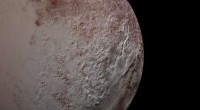
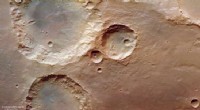
* Crater Density: The Moon's surface is covered in craters, and the density of these craters is a measure of its age. Over time, more and more craters form, so the Moon's surface 3 billion years ago would have had fewer craters than it does today.
* Surface Material: The Moon's surface is composed of various materials, and these materials can be weathered and changed by space radiation. While this process is slow, it does mean the Moon's surface composition is slightly different today than it was billions of years ago.
In Conclusion:
While the Moon's surface has undergone some changes over time, these changes are relatively minor compared to the massive geological transformations that occur on Earth. This makes the Moon a unique window into the early history of our solar system.