* New evidence contradicts the theory: A new experiment or observation might show results that don't fit with the predictions of the current theory. This is the most common reason for changing a theory.
* A better theory emerges: A new theory might explain the same phenomena as the old theory, but do so in a more elegant or comprehensive way. The new theory might also make new predictions that the old theory couldn't.
* The theory is too narrow or limited: A theory might be successful in explaining a specific set of phenomena, but it might not be able to account for new observations or phenomena. In these cases, the theory may need to be expanded or modified to accommodate the new information.
Important points:
* Scientific theories are constantly being tested and refined: The process of scientific discovery is iterative. New evidence can lead to the modification or replacement of existing theories.
* Changing a theory is not a failure: It's a sign that science is progressing and learning more about the world. It's a testament to the strength of the scientific method that theories can be challenged and revised in the face of new evidence.
* Scientific theories are never proven true: They are simply the best explanation we have for the available evidence at the time. A theory may be accepted as the best explanation for a long time, but it is always possible that new evidence will lead to its modification or replacement.
Here are some examples of scientific theories that have been changed over time:
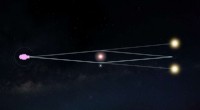
* The theory of gravity: Newton's theory of gravity was replaced by Einstein's theory of general relativity, which provided a more accurate explanation of gravity in the context of very strong gravitational fields.
* The theory of the atom: Dalton's atomic theory has been modified over time as new discoveries about the structure of atoms have been made.
* The theory of evolution: Darwin's theory of evolution by natural selection has been refined and expanded over time to incorporate new evidence from genetics and other fields.