* Convection is the transfer of heat through the movement of fluids (liquids and gases). This movement is driven by differences in density caused by temperature variations.
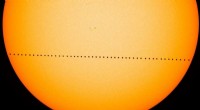
* The Sun heats the Earth primarily through radiation. This means energy travels as electromagnetic waves (like light and infrared radiation) through space and is absorbed by the Earth's surface.
Here's a better example of convection:
* Boiling water: As water heats up, the warmer, less dense water at the bottom rises. Cooler, denser water sinks to take its place, creating a circular motion that distributes heat throughout the pot.
How convection plays a role in the Earth's climate:
While the Sun's energy reaches the Earth through radiation, convection does play a role in Earth's climate system:
* Atmospheric Convection: Uneven heating of the Earth's surface leads to air convection. Warm air rises, creating clouds and precipitation. Cooler air sinks, completing the cycle. This helps regulate global temperatures and weather patterns.
* Ocean Convection: Similar to the atmosphere, warm surface water can rise, while cooler water sinks. This creates ocean currents that transport heat around the globe, impacting climate and weather.
In short: The Sun's energy reaches the Earth through radiation, but convection is a crucial process in how that energy is distributed and impacts the Earth's climate.