* Stars: Stars themselves are the primary source of light in space. They generate their own light through nuclear fusion, where hydrogen atoms are combined to form helium, releasing tremendous amounts of energy in the form of light and heat.
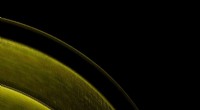
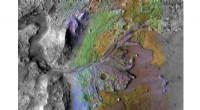
* Planets and Moons: Planets and moons don't generate their own light. They reflect light from the sun. The amount of light reflected depends on the surface composition and reflectivity (albedo) of the celestial body.
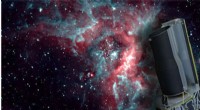
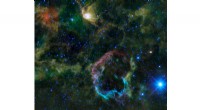
* Other Objects: Other objects in space, such as comets, asteroids, and nebulae, can also reflect sunlight, or sometimes emit their own light. For example, comets can emit light as they heat up near the sun, causing their ice to vaporize and glow. Nebulae can emit light due to the ionization of gases by nearby stars.
Ultimately, the sun is the primary source of light for most objects in our solar system. It's important to remember that the sun is just one star in a vast universe, and there are countless other stars generating their own light across the cosmos.