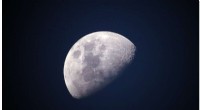
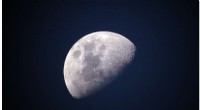
1. Tides: The moon's gravitational pull is the primary driver of ocean tides. The pull is strongest on the side of the Earth facing the moon, causing high tide. This also influences the movement of water in general, affecting ecosystems like estuaries, wetlands, and coastal areas.
2. Animal Behavior: Many animal species, particularly marine life, have evolved to align their activities with the lunar cycle. For example:
* Coral spawning: Many coral species synchronize their mass spawning with the full moon, maximizing the chance of successful fertilization.
* Migratory birds: Some bird species use the moon to navigate during their long migrations.
* Reproductive cycles: The moon's gravitational pull can affect reproductive cycles in some animals, especially those with synchronized breeding seasons.
3. Plant Growth: While not as directly impacted as animals, there's evidence that the moon's gravitational pull can influence plant growth. Some studies suggest that plants may grow taller and produce more flowers under the influence of a full moon. However, this is a complex area of research with mixed results.
4. Human Rhythms: Some people believe that the moon's phases influence human mood, sleep patterns, and even birth rates. While there's no conclusive scientific evidence to support these claims, the moon's cyclical nature has been a source of fascination and speculation for centuries.
In essence, the moon's influence on life is more about cyclical patterns and gravitational forces than a direct "life cycle" in the biological sense. It's an intricate dance of influence where the moon's phases and pull shape and interact with various aspects of life on Earth.