Categories of Satellites:
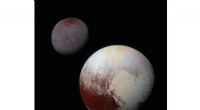
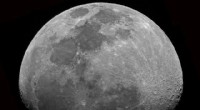
* Natural Satellites (Moons): These are celestial bodies that orbit planets. There are dozens of moons in our solar system.
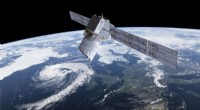
* Artificial Satellites: These are objects launched into space by humans for various purposes. There are thousands of artificial satellites orbiting Earth, and countless others in space exploring the solar system.
Resources for Finding Information:
* NASA: The National Aeronautics and Space Administration (NASA) has a website with extensive information about its missions and satellites: [https://www.nasa.gov/](https://www.nasa.gov/)
* Space Agencies: Other space agencies, such as the European Space Agency (ESA), the Russian Roscosmos, and the Chinese National Space Administration (CNSA), also have websites with information about their missions and satellites.
* Satellite Tracking Websites: Websites like [https://www.n2yo.com/](https://www.n2yo.com/) and [https://www.heavens-above.com/](https://www.heavens-above.com/) allow you to track satellites in real-time and find information about them.
* Wikipedia: Wikipedia has extensive information about many satellites, both natural and artificial. Simply search for the specific satellite you're interested in.
Example of Famous Artificial Satellites:
* The International Space Station (ISS): A research station orbiting Earth, home to astronauts from various countries.
* Hubble Space Telescope: A powerful telescope that has captured breathtaking images of the universe.
* GPS Satellites: A network of satellites that provide global positioning information.
Remember: The satellite landscape is constantly changing with new launches and retirements. The resources mentioned above will provide you with the most up-to-date information.