1. Lack of an Atmosphere:
* Mercury's Atmosphere: Mercury has a very thin, negligible atmosphere called an "exosphere." It's practically a vacuum.
* Earth's Atmosphere: Earth has a thick atmosphere that acts as a shield against incoming asteroids and meteoroids. Most objects burn up in the atmosphere before they can reach the surface.
2. Geological Activity:
* Mercury's Geology: Mercury is geologically inactive. It doesn't have plate tectonics or significant volcanic activity to erase craters.
* Earth's Geology: Earth is geologically active. Plate tectonics constantly recycles the surface, while volcanoes erupt, burying old craters and creating new landforms.
3. Distance from the Sun:
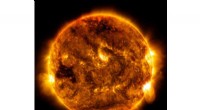
* Mercury's Location: Mercury is the closest planet to the sun, meaning it receives a higher bombardment of space debris.
* Earth's Location: Earth is farther away from the sun, so the debris density is lower.
4. Time:
* Mercury's Age: Mercury has existed for billions of years, giving plenty of time for impacts to create craters.
* Earth's Age: While Earth is also billions of years old, its active geology has erased many of its early craters.
In Summary: Mercury has a perfect storm of factors working against it: no atmosphere to protect it, no geological activity to erase craters, a closer proximity to the sun, and a very long history. These factors have resulted in a heavily cratered surface compared to Earth.