Here's why:
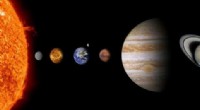
* Planet vs. Star: Stars are giant balls of burning gas that produce their own light. Planets are much smaller bodies that reflect light from a star.
* Venus's Position: Venus's position in the sky changes depending on its orbit around the Sun. Sometimes it's visible in the morning sky, sometimes in the evening sky, and sometimes it's too close to the Sun to be seen.
To see Venus in the eastern sky, look for it in the early morning hours before sunrise. It will be a very bright, white "star" that doesn't twinkle.
Other things to consider:
* Time of year: Venus's visibility changes throughout the year.
* Your location: Your location on Earth affects what you can see in the sky.
* Light pollution: Light pollution from cities can make it harder to see faint objects in the sky.
To figure out when Venus will be visible in your area, use a planetarium app or website.