Terrestrial Planets (Smaller):
* Mercury: The smallest planet in our solar system, rocky and cratered.
* Venus: Similar in size to Earth, with a thick atmosphere.
* Earth: Our home, a rocky planet with liquid water and a diverse atmosphere.
* Mars: A smaller, rocky planet with a thin atmosphere, known for its red color.
Jovian Planets (Larger):
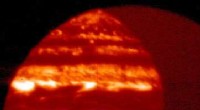
* Jupiter: The largest planet in our solar system, a gas giant with a strong magnetic field.
* Saturn: Famous for its prominent rings, another gas giant with a diverse atmosphere.
* Uranus: An ice giant with a tilted axis, bluish-green in color.
* Neptune: The farthest planet from the sun, another ice giant with powerful winds.
Dwarf Planets:
* Pluto: Once considered the ninth planet, now categorized as a dwarf planet due to its size and the presence of other objects in its orbit.
* Eris: A dwarf planet slightly larger than Pluto, located beyond Neptune.
* Ceres: The largest object in the asteroid belt between Mars and Jupiter.
Important Note:
* The size differences between the terrestrial planets and the jovian planets are significant.
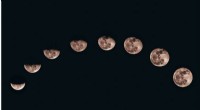
* "Small" and "big" are relative terms. Even the smallest planet, Mercury, is still much larger than the moon.
* There are other objects in our solar system, such as asteroids, comets, and moons, that are not considered planets.
Let me know if you'd like to know more about a specific planet or category!