However, scientists can use data collected from spacecraft to "sonify" planets, meaning they can turn the data into sounds that we can hear. This data can include:
* Magnetic field fluctuations: These can be turned into sounds that reveal the planet's magnetic activity.
* Radio waves: These can be translated into sounds that show the planet's interaction with its star.
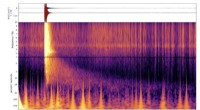
* Seismic activity: If a planet has tectonic plates or volcanoes, the vibrations can be converted into sounds.
These sonifications are more about representing the scientific data in a way that humans can understand, rather than a literal representation of what a planet would sound like.
Here are some examples of sonified planets:
* Jupiter's magnetic field: Sounds like crackling and popping, revealing the dynamic nature of its magnetic field.
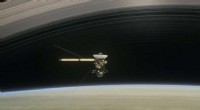
* Saturn's radio emissions: Sounds like a whistling wind, showing the interaction between Saturn and its rings.
* Earthquakes on Mars: Sounds like a low rumble, indicating tectonic activity on the planet.
So, while planets themselves don't "sound" like anything, scientists are creating sounds that can help us understand and visualize the complex processes happening on these celestial bodies.