Red Giants:
* Nuclear Fusion: Red giants are stars in their later stages of life, having exhausted the hydrogen fuel in their core. They begin fusing heavier elements like helium, carbon, and oxygen. This process creates heavier elements that would otherwise be absent in the universe.
* Stellar Winds: Red giants shed their outer layers through powerful stellar winds, expelling these heavier elements into space. This material becomes part of the interstellar medium, the gas and dust that fills the space between stars.
Supernovas:
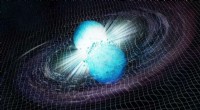
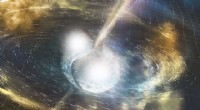
* Massive Star Collapse: Supernovas occur when massive stars, much larger than the Sun, reach the end of their lives. The core collapses under its own gravity, triggering a catastrophic explosion.
* Element Creation: Supernovas are the primary producers of the heaviest elements in the universe, including iron, nickel, gold, and uranium. These elements are forged in the intense heat and pressure of the explosion.
* Interstellar Enrichment: Supernovas blast these heavy elements into the interstellar medium, enriching it with the building blocks needed to form new stars and planets.
The Cycle:
This cycle of stellar evolution and death is crucial for the creation of new stars:
1. Interstellar Medium: The interstellar medium, enriched by red giants and supernovas, contains a diverse array of elements.
2. Star Formation: Gravity pulls together clumps of gas and dust from the interstellar medium, eventually forming new stars.
3. Stellar Evolution: These new stars will go through their own life cycles, potentially becoming red giants and eventually ending as white dwarfs, neutron stars, or supernovas.
In Summary: Red giants and supernovas are essential for the production of future stars by enriching the interstellar medium with heavier elements. These elements become the building blocks for new stars, planets, and ultimately, life itself.