Here's why:
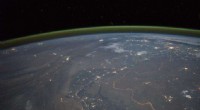
* The ozone layer is invisible to the naked eye. Satellites measure ozone levels using instruments that detect specific wavelengths of ultraviolet radiation. This data is then processed to create maps showing ozone concentrations.
* The "hole" in the ozone layer is actually a region of significantly depleted ozone. It's not a literal hole, but a thinning of the protective ozone shield over Antarctica.
How satellite images help us understand the ozone layer:
* Measuring ozone levels: Satellites like NASA's Aura and Suomi NPP carry instruments that measure ozone concentrations globally. This data helps scientists track changes in the ozone layer over time.
* Identifying sources of ozone depletion: Satellite measurements can pinpoint areas where ozone levels are declining, helping researchers identify the culprits, like human-made chemicals.
* Monitoring recovery: Satellites help us monitor the recovery of the ozone layer following the implementation of international agreements like the Montreal Protocol.
In conclusion: Satellite pictures don't directly show holes in the ozone layer, but they provide valuable data that allows scientists to map ozone concentrations, monitor its health, and assess the effectiveness of efforts to protect it.