* Radiation Belts Already Exist: Earth already has natural radiation belts, known as the Van Allen belts, caused by charged particles trapped by Earth's magnetic field.
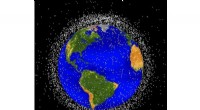
* Satellite Collisions and Radiation: While a satellite collision would release energy and potentially some debris, it's not going to create a substantial, long-lasting radiation belt. The amount of radiation from a satellite collision is minimal compared to the natural radiation already present.
However, let's hypothetically explore the potential advantages and disadvantages if a significant radiation belt were to be created by some other event (not a satellite collision):
Potential Advantages:
* Potential for Power Generation: Radiation belts can potentially be harnessed for power generation through technologies like the "Faraday Cage" concept. However, the feasibility and practicality of this remain highly speculative.
* Scientific Research: A new radiation belt would provide a unique environment for studying the effects of radiation on materials and biological systems. This could lead to advancements in radiation shielding and other fields.
Potential Disadvantages:
* Increased Radiation Exposure: A new radiation belt would increase radiation levels in the near-Earth space environment. This could pose risks to astronauts, satellites, and other spacecraft.
* Disruption of Communication and Navigation Systems: Increased radiation can interfere with communication and navigation systems, potentially disrupting crucial services like GPS and radio broadcasts.
* Damage to Electronics: Higher levels of radiation can damage sensitive electronics onboard satellites and spacecraft, leading to malfunctions and even failures.
* Health Risks to Humans: Prolonged exposure to increased radiation levels could have serious health consequences for astronauts and even people on Earth, leading to an increase in cancer rates and other radiation-related illnesses.
Important Considerations:
* The severity of any potential effects would depend on the strength and extent of the radiation belt. A small, localized increase in radiation would have a different impact than a massive, widespread increase.
* Existing technology and infrastructure are designed to withstand the levels of radiation present in Earth's natural radiation belts. However, a significant increase in radiation would require modifications and new technologies to mitigate the risks.
In conclusion, while a satellite collision isn't going to create a new radiation belt, the hypothetical creation of such a belt would have both potential benefits and risks. It is important to carefully assess these potential outcomes and develop strategies to mitigate the risks before any such event occurs.