Here's a breakdown:
* Amateur Telescopes: You can definitely see Mars with a good amateur telescope. You'll see a reddish disk with some surface features like the polar ice caps. You might even spot some larger dark markings, but you won't see intricate details like craters or mountains.
* Professional Telescopes: Professional telescopes on Earth and in space have the power to reveal incredible detail on Mars. These telescopes use powerful optics, adaptive optics to compensate for atmospheric distortion, and advanced imaging techniques. They can see:
* Canyons and volcanoes: The Valles Marineris canyon system and the Olympus Mons volcano are easily visible.
* Craters and impact sites: The surface of Mars is heavily cratered, and telescopes can resolve many of these features.
* Dust storms: Large dust storms can be observed, sometimes engulfing the entire planet.
* Seasonal changes: The polar ice caps grow and shrink with the Martian seasons.
* Evidence of past water: Riverbeds, deltas, and other features suggest that liquid water once flowed on the surface of Mars.
However, even the most powerful telescopes have limitations:
* Distance: Mars is a long way from Earth, and even professional telescopes have trouble resolving extremely fine details.
* Atmospheric distortion: Earth's atmosphere can blur images from telescopes on the ground.
* Limited resolution: Even with advanced imaging techniques, telescopes can only see so much detail.
The best way to see Mars in detail is with spacecraft:
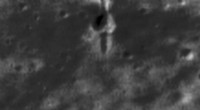
* Orbiters: Spacecraft like the Mars Reconnaissance Orbiter have captured stunning images of the Martian surface, showing features as small as a few feet across.
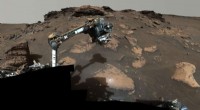
* Landers: Landers like the Curiosity rover and Perseverance rover have provided close-up views of the Martian landscape and have even collected rock samples.
In conclusion, telescopes can definitely see Mars in detail, but the level of detail depends on the telescope's power and the imaging techniques used. Spacecraft provide the best views of the Martian surface.