* Parallax: The primary method for measuring star distances is parallax, which relies on measuring the apparent shift in a star's position as the Earth orbits the Sun.
* The larger the baseline (the distance the Earth moves), the greater the parallax angle and the more accurate the distance measurement.
* While the Moon and Mars offer a slightly larger baseline than Earth, the difference is negligible compared to the immense distances to stars.
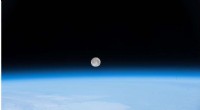
* Atmospheric Distortion: Earth's atmosphere significantly distorts astronomical observations. Telescopes in orbit around the Moon or Mars would avoid this atmospheric distortion, but the improvement would be minor compared to the limitations of parallax.
* Technological Challenges: Launching and maintaining telescopes in orbit around the Moon or Mars presents significant technological and financial challenges. These challenges outweigh the potential marginal improvement in parallax measurements.
Why Earth-based telescopes are still ideal:
* Accessibility: Earth-based telescopes are much more accessible and cost-effective than lunar or Martian telescopes.
* Advancements in Technology: Modern telescopes on Earth are continuously being upgraded with advanced technologies that significantly enhance their accuracy and capabilities.
* Specialized Observatories: Dedicated observatories on Earth are strategically located in remote areas with excellent viewing conditions, further minimizing atmospheric interference.
In conclusion: While telescopes on the Moon or Mars might offer slightly better parallax measurements, the advantages are minimal compared to the challenges and limitations. Earth-based telescopes remain the most effective and cost-efficient method for measuring star distances.