Luminous sources:
* Definition: Objects that emit their own light. They produce light energy through various processes like chemical reactions, nuclear reactions, or heating.
* Examples:
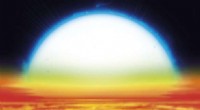
* Sun: The Sun is a giant ball of hot gas that produces light through nuclear fusion.
* Light bulb: Incandescent light bulbs heat a filament until it glows, while LED bulbs convert electrical energy into light.
* Fireflies: These insects produce light through a chemical reaction called bioluminescence.
* Lasers: Emit light through a process called stimulated emission.
Non-luminous sources:
* Definition: Objects that reflect or scatter light from another source. They do not produce their own light energy.
* Examples:
* Moon: The Moon reflects sunlight, making it appear luminous.
* Mirror: Reflects light from any source that shines on it.
* White paper: Reflects light from any source, making it appear white.
* A person: Reflects light from the surroundings.
In summary:
* Luminous objects: Produce light.
* Non-luminous objects: Reflect or scatter light produced by other sources.
Key takeaways:
* Light sources can be either natural or artificial.
* The process by which a source emits light determines whether it is luminous or non-luminous.
* We see objects because they reflect or scatter light.