Mariner 10 (1974-1975):
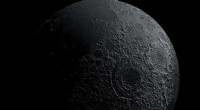
* Cratered Surface: Mariner 10's flybys revealed a heavily cratered surface, similar to the Moon. This indicated Mercury's ancient history of bombardment by asteroids and comets.
* Large, Scarp-like Features: It also discovered massive, cliff-like features called scarps, which were interpreted as evidence of the planet's shrinking core and resulting tectonic activity.
* Thin Atmosphere: Mariner 10 detected a very thin atmosphere, or exosphere, composed primarily of sodium and potassium.
* Magnetic Field: The mission confirmed the presence of a weak magnetic field, much smaller than Earth's.
* Surface Composition: Mariner 10's instruments suggested the presence of iron and other heavy elements on the surface.
MESSENGER (2011-2015):
* Detailed Surface Mapping: MESSENGER provided detailed images and compositional maps of Mercury's surface, revealing vast plains, volcanoes, and diverse rock types.
* Volcanic Activity: MESSENGER confirmed the presence of past volcanic activity, indicating that Mercury may have been more geologically active in its early history than previously thought.
* Polar Ice: MESSENGER discovered deposits of water ice at the planet's poles, hidden within permanently shadowed craters.
* Magnetic Field Origin: The mission revealed that Mercury's magnetic field is generated by a molten core, similar to Earth's.
* Composition of the Core: MESSENGER data led to a better understanding of the planet's interior, suggesting a larger, denser core than initially thought.
Combined Impact:
Mariner 10 and MESSENGER, taken together, significantly increased our knowledge of Mercury. We now understand that it is a dynamic planet with a complex geological history, a surprisingly diverse surface, and a surprisingly large core. These missions have also helped us understand the early evolution of the solar system and the processes that shaped the planets.