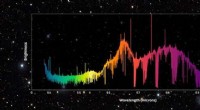
* Methane: Neptune's atmosphere contains a high percentage of methane gas. Methane absorbs red light, causing the planet to reflect back more blue light.
* Scattering: The blue color is further enhanced by Rayleigh scattering, a phenomenon where sunlight is scattered by the tiny particles in the atmosphere. This scattering effect is similar to how the sky appears blue.
However, Neptune's true color is more complex than just blue. The planet's atmosphere also contains other trace gases and clouds that create subtle variations in its hue. In fact, recent observations by the James Webb Space Telescope reveal that Neptune has bands of bright white clouds, indicating that its atmosphere is more dynamic and varied than previously thought.
So, while Neptune appears azure blue to our eyes, it's important to remember that this is just a simplified representation of its true, multifaceted nature.