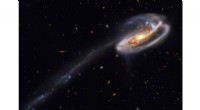
* Galaxies are faint: They emit a broad spectrum of light, including red, green, and blue. A filter would block out some of that light, making the galaxy even fainter.
* Filters are specialized: Most filters are designed for specific celestial objects like nebulae or planets. These objects emit specific wavelengths of light that the filter enhances.
Here's what you can do to improve your galaxy viewing:
1. Choose a dark sky location: Light pollution from cities washes out faint objects like galaxies.
2. Use a larger telescope: A larger telescope gathers more light, making faint objects appear brighter.
3. Give your eyes time to adjust: It takes about 20-30 minutes for your eyes to fully adapt to the darkness.
4. Use low magnification: High magnification makes objects appear dimmer and harder to see.
5. Try a "light pollution filter": These filters block out some of the wavelengths of light emitted by streetlights and other artificial light sources, making the sky appear darker and improving the contrast for faint objects.
Remember, patience is key! Galaxies are faint and take time to observe, even with a good telescope. Don't be discouraged if you don't see them immediately. Enjoy the journey of discovering the wonders of the night sky!