Dedicated Astronomy Classes:
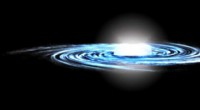
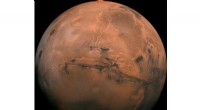
* Astronomy: Some high schools offer a specific Astronomy course, which focuses on the study of celestial objects, their properties, and their interactions.
* Astrophysics: More advanced high schools might offer an Astrophysics class, delving into the physics behind celestial phenomena.
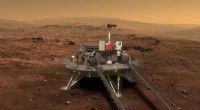
* Space Science: This class might explore space exploration, technologies, and the science behind space travel.
Related Courses:
* Physics: Physics courses, particularly those covering mechanics, waves, and light, are essential for understanding astronomical concepts.
* Chemistry: Chemistry provides a foundation for understanding the composition and evolution of stars and planets.
* Earth Science: Courses on Earth Science can provide context for understanding our place in the solar system and the processes shaping our planet.
* Math: Strong math skills, especially in algebra, geometry, and calculus, are crucial for interpreting astronomical data and modeling celestial phenomena.
Extracurricular Activities:
* Astronomy Club: Joining an astronomy club can offer hands-on experience with telescopes, stargazing, and discussions with like-minded peers.
* Science Fair Projects: Research projects related to astronomy, such as studying star patterns or modeling planetary orbits, can be a great way to delve deeper into the subject.
Online Resources:
* Khan Academy: Provides free online courses and resources covering astronomy and physics concepts.
* NASA Website: Offers educational materials, videos, and images related to space exploration and astronomical discoveries.
Important Note: The availability of specific classes varies greatly between schools. It's best to check with your high school counselor or science department for the courses offered in your area.