1. Gravity:
* Dominant Force: Gravity is the primary force responsible for the structure and stability of the solar system. It's the force of attraction between any two objects with mass.
* Planet Formation: Gravity drew together dust and gas in the early solar nebula, forming the Sun and the planets.
* Orbital Paths: Gravity keeps planets in their elliptical orbits around the Sun, maintaining a stable, predictable system.
* Tides: Gravity from the Moon and Sun creates tides on Earth, influencing ocean currents and coastal environments.
2. Electromagnetic Forces:
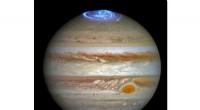
* Solar Wind: The Sun emits a constant stream of charged particles called the solar wind. This wind interacts with planets' magnetic fields, creating auroras and affecting their atmospheres.
* Magnetic Fields: Planets with internal magnetic fields (like Earth) are shielded from the harshest effects of the solar wind.
3. Nuclear Forces:
* Solar Energy: Nuclear fusion within the Sun's core releases immense energy, which fuels the Sun's light and heat. This energy is what allows life to exist on Earth.
4. Other Forces:
* Friction: While less significant, friction plays a role in the interactions between planets and their moons, affecting their rotation and orbital paths over long periods.
* Radiation Pressure: The Sun's radiation exerts a slight pressure on objects in the solar system, especially on small particles like dust.
Stability of the Solar System:
* Balance of Forces: The interplay of these forces maintains the stability of the solar system. Gravity holds the planets in their orbits, while the Sun's energy and other forces create subtle changes and dynamics.
* Gravitational Perturbations: While the system is generally stable, the gravitational influence of planets on each other (especially Jupiter) can cause minor shifts in orbits over time. These "perturbations" are generally small but can affect the long-term stability of objects like comets.
The Significance of Forces:
The forces that shape the solar system are fundamental to its structure and evolution. Understanding these forces allows us to:
* Predict planetary movements and events like eclipses.
* Analyze the formation and evolution of planets and other celestial bodies.
* Study the effects of the Sun on other planets and their atmospheres.
* Explore the potential for life on other planets and moons within our solar system and beyond.
Overall, the forces within the solar system are constantly interacting, creating a dynamic and complex system that we are still striving to fully understand.