Space Shuttle Missions:
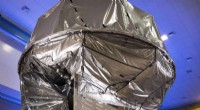
* Prior to 2011: The most common method was using NASA's Space Shuttle. Astronauts would travel to the Hubble, perform complex spacewalks, and directly repair or replace faulty components. This included:
* Replacing faulty gyroscopes and solar panels
* Installing new cameras and instruments
* Servicing the telescope's optics
* Installing a new computer system
Why No More Shuttle Missions:
* Retirement of the Space Shuttle: The Space Shuttle program was retired in 2011, making direct repairs and upgrades impossible.
Future Servicing:
* Robotic Servicing Mission: NASA is currently developing a robotic servicing mission, aiming to extend Hubble's lifespan. The robot would be able to perform tasks like:
* Replacing batteries
* Updating software
* Replacing a failing gyroscope
Important Notes:
* Hubble's Design: The telescope was designed with serviceability in mind. Components are modular and replaceable, making repairs possible.
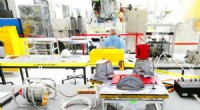
* Challenging Environment: Space is a harsh environment. Repairs require specialized tools, training, and careful planning to ensure safety.
* Continuous Monitoring: Hubble is constantly monitored from Earth. Engineers analyze data to identify any potential issues that could require future servicing.
In conclusion: Servicing the Hubble Telescope is a complex process, requiring both human and robotic intervention. The ongoing development of robotic technology paves the way for future maintenance of the iconic telescope.