Here's why:
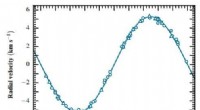
* Detection Bias: Our methods for detecting exoplanets (like the transit method and radial velocity method) are more sensitive to larger, more massive planets. This means we're more likely to find gas giants, which are easier to detect than smaller, rocky planets.
* Formation Processes: The processes that form gas giants are likely more common and efficient than those that form smaller rocky planets.
* Observational Evidence: The vast majority of confirmed exoplanets are gas giants, with many being "hot Jupiters" – large gas giants orbiting very close to their stars.
However, it's important to note that our understanding of exoplanet diversity is constantly evolving. As we develop more sophisticated detection methods and telescopes, we're discovering more and more smaller, rocky planets that resemble Earth. It's entirely possible that as our detection capabilities improve, we'll find that rocky planets are actually more common than gas giants, even if they're harder to find.