Earth:
* Burning up: Most space junk is small and burns up upon re-entry due to friction with the atmosphere. This creates spectacular "shooting star" events.
* Reaching the surface: Larger pieces of debris, like defunct satellites or rocket stages, can survive re-entry and impact the Earth's surface. This is rare, but the risk is increasing as the amount of space junk grows.
* Damage: While most debris that reaches the ground is harmless, larger pieces can cause significant damage. There have been cases of space debris impacting buildings, vehicles, and even injuring people.
Other planets:
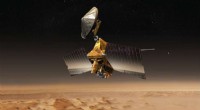
* Less atmosphere: Planets like Mars and the Moon have little or no atmosphere. This means space junk entering their orbit is more likely to impact the surface.
* Damage: While the impact of space junk on these planets is less of a concern for humans, it can damage scientific instruments and spacecraft orbiting or landing on those bodies.
Addressing the problem:
* Space debris mitigation: Space agencies and organizations are actively working to minimize the amount of new space debris. This includes designing spacecraft for safe re-entry, developing active debris removal techniques, and establishing regulations to prevent collisions.
* Tracking and prediction: Organizations like the US Space Force and the European Space Agency track the movement of space debris and predict potential impacts. This allows them to alert potential victims and take precautions.
Conclusion:
Space junk does crash into Earth and other planets, with varying degrees of frequency and impact. While most debris burns up in the atmosphere, larger pieces can cause significant damage. The growing amount of space debris is a serious concern, and efforts are underway to mitigate the risk and prevent future collisions.