1. No Solid Surface: Saturn is a gas giant, so there is no solid ground to stand on. It's mostly hydrogen and helium gas, with a small rocky core deep inside.
2. Atmospheric Layers: Saturn's atmosphere is divided into layers, each with different properties:
* Upper Atmosphere: This layer is mostly hydrogen and helium.
* Stratosphere: This layer contains traces of methane and ammonia, which give Saturn its pale yellow color.
* Troposphere: This is the lowest layer, where clouds form.
* Interior: There is a transition zone where hydrogen becomes liquid and metallic. Deep inside, a rocky core exists.
3. Clouds and Storms: Saturn has spectacular cloud bands and storms. The clouds are made of ammonia ice, water ice, and possibly methane ice, and they form swirling patterns due to strong winds.
* The Great White Spot: This is a rare but spectacular event that occurs when a huge, bright storm erupts in Saturn's northern hemisphere. It happens about every 30 years.
4. Rings: Saturn is most famous for its spectacular ring system. These rings are made of billions of tiny ice particles and dust, ranging in size from dust grains to boulders. The rings are remarkably thin, even though they span a huge distance.
5. Moons: Saturn has over 80 moons. Many are icy and some are quite large. The largest moon, Titan, has a thick atmosphere and is the only moon in the solar system known to have lakes and rivers, although they're filled with liquid methane and ethane.
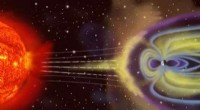
6. Magnetic Field: Saturn has a strong magnetic field, which is generated by the planet's rapid rotation and its metallic hydrogen core. This field traps charged particles from the Sun, creating a magnetosphere that is huge and complex.
Remember, while we talk about the "surface" of Saturn, it's not a solid surface like we're used to. It's a vast and dynamic atmosphere with swirling storms, impressive rings, and an array of fascinating moons.