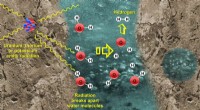
* Runaway Greenhouse Effect: Venus's atmosphere is composed primarily of carbon dioxide (CO2), a potent greenhouse gas. This thick CO2 atmosphere traps heat from the sun, preventing it from escaping back into space. This is similar to how a greenhouse works.
* Dense Atmosphere: Venus's atmosphere is over 90 times denser than Earth's. This thick atmosphere acts like a blanket, further trapping heat.
* Slow Rotation: Venus rotates incredibly slowly, taking about 243 Earth days to complete one rotation. This slow rotation means that the sun heats one side of the planet for a very long time, leading to extreme surface temperatures.
* Volcanic Activity: Venus has been volcanically active in the past, and possibly still is. Volcanic eruptions release more greenhouse gases into the atmosphere, further contributing to the greenhouse effect.
In summary: The combination of a dense, CO2-rich atmosphere, slow rotation, and potential volcanic activity creates a runaway greenhouse effect, leading to Venus's incredibly high surface temperatures.