Stars with No Habitable Zones:
* Red Dwarfs (M-class): These are the most common type of star in the Milky Way. While they have extremely long lifespans, they are much cooler and fainter than our Sun. This means their habitable zones are very close to the star, making planets within them tidally locked (one side always faces the star). This results in extreme temperature differences between the two sides, making it difficult for life to thrive. Additionally, red dwarfs emit strong flares of radiation that could strip away planetary atmospheres.
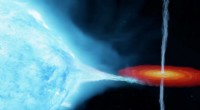
* Neutron Stars and Black Holes: These objects are the remnants of massive stars that have gone supernova. Their intense gravity and radiation make it impossible for any planet to form or exist in a habitable zone.
Stars with Inferior Habitable Zones:
* White Dwarfs: These are the remnants of Sun-like stars that have exhausted their fuel. While they can have a habitable zone, it's extremely small and unstable. Planets orbiting a white dwarf would need to be very close to the star, exposing them to intense radiation.
* Blue Giants (O and B-class): These stars are extremely hot and massive. They have short lifespans and their habitable zones are large and far out, making it less likely for planets to form in the first place. Additionally, the intense radiation from these stars would likely sterilize any planets within their habitable zones.
* Subgiant Stars: These are stars that have evolved from the main sequence and are on their way to becoming giants. Their habitable zones are unstable and shift outward as the star continues to evolve.
Factors that influence the habitability of a star's habitable zone:
* Star's size and mass: Larger, more massive stars have shorter lifespans and emit more radiation, making it harder for life to evolve around them.
* Star's temperature and luminosity: The temperature and luminosity of a star determine the size and location of its habitable zone.
* Star's magnetic activity: Stars with strong magnetic activity can produce powerful flares that can strip away planetary atmospheres.
* Star's stability: Stars with unstable lifespans (like red giants and white dwarfs) can have constantly shifting habitable zones, making it difficult for life to evolve.
It's important to note that even within a star's habitable zone, other factors can influence the habitability of a planet, such as its size, atmospheric composition, and presence of water. The search for life beyond Earth is a complex one, and understanding the characteristics of different types of stars is crucial to narrowing down the search.