1. In a Bunsen burner flame: The luminous zone is the bright yellow part of the flame. This is caused by the incomplete combustion of fuel, which leads to the formation of incandescent soot particles. These particles glow brightly, giving the zone its characteristic yellow color.
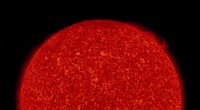
2. In the Sun and other stars: The luminous zone refers to the photosphere, the visible surface of a star. It's the layer where the star's light is emitted. This zone is actually a layer of gas, not a solid surface.
3. In biology: The luminous zone can be used to describe areas in an organism that emit light, typically through bioluminescence. For example, the "luminous zone" of a jellyfish might refer to the area where it produces light.
4. In general: The term "luminous zone" can also be used more broadly to describe any area or region that emits light.
To understand the specific meaning of "luminous zone" in a particular context, you need to consider the context in which it is used. For example, if you are reading about the structure of the Sun, "luminous zone" likely refers to the photosphere. But if you are reading about a Bunsen burner flame, it likely refers to the yellow part of the flame.