Simple & Observational:
* Constellation Mapping: Learn to identify constellations in your night sky using a star chart. Create your own constellation map and share your findings with classmates.
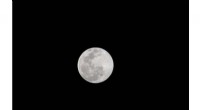
* Moon Phases: Observe and document the moon's phases over a month. You could use photography or drawing to track the changes.
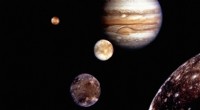
* Planet Visibility: Research the visibility of planets throughout the year. Create a schedule for when you can observe each planet in your location.
* Sunspot Observation: Safely observe the sun using a solar viewer and track the number and location of sunspots over time.
More Complex:
* Modeling the Solar System: Create a scale model of the solar system using everyday materials. This requires research on the planets' sizes and distances.
* Rocket Design and Launch: Build a simple rocket using materials like cardboard and a water bottle. Experiment with different designs to see how they affect launch height and stability.
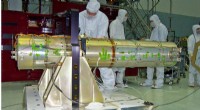
* Telescope Construction: Learn how to build a simple telescope using materials like cardboard tubes and lenses. You can use this telescope to observe the moon or planets.
* Astrophysics Experiment: Design an experiment to simulate the gravitational pull of a star or planet. For example, use weights and a pendulum to demonstrate the effects of gravity.
Tips for Success:
* Choose a project that interests you: This will make the process more enjoyable.
* Start with a clear question or goal: What do you want to learn or discover?
* Do your research: Gather information from reliable sources like astronomy books, websites, and articles.
* Plan your experiment or observation: Decide what materials you need, how you will collect data, and how you will analyze your findings.
* Document your work: Keep a journal of your observations, data, and conclusions.
* Present your findings: Create a presentation, poster, or report to share your results.
Resources:
* NASA website: https://www.nasa.gov/
* Space.com: https://www.space.com/
* Astronomy Magazine: https://astronomy.com/
* Your local library or science museum: They may have resources available for astronomy projects.
Remember, the most important thing is to have fun and learn something new!