1. The Sun's Heat:
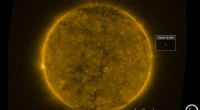
* Sublimation: When a comet approaches the Sun, the Sun's heat causes the ice and frozen gases (like carbon dioxide, methane, and ammonia) within the comet's nucleus to turn directly into gas, a process called sublimation.
2. Solar Wind:
* Charged Particles: The Sun constantly emits a stream of charged particles called the solar wind. This wind is a powerful force.
* Pushing Away Gas: The solar wind interacts with the gas released from the comet's nucleus, pushing the gas particles away from the comet. This creates a long, flowing tail.
3. Radiation Pressure:
* Light as Force: The Sun also emits light, and light has a tiny amount of pressure associated with it. This radiation pressure also pushes on the gas and dust particles in the comet's tail.
4. Two Tails:
* Dust Tail: The dust particles are larger and heavier. They are pushed by radiation pressure and tend to form a slightly curved tail that reflects sunlight, making it visible.
* Ion Tail: The lighter gas particles are ionized by the Sun's radiation and are pushed by the solar wind. This tail is much straighter and points directly away from the Sun.
In summary: The Sun's heat, solar wind, and radiation pressure all work together to create a comet's distinctive tail. As a comet moves closer to the Sun, its tail becomes more prominent, and the two tails (dust and ion) become more apparent.