1. Active Plate Tectonics:
* Venus lacks the plate tectonics seen on Earth. Instead, its entire surface is a single, thick, and rigid lithosphere.
* This prevents the release of internal heat through the traditional subduction and rifting processes.
2. Volcanic Hotspot Activity:
* The immense heat trapped beneath Venus's surface creates massive upwellings of magma, called hotspots.
* These hotspots pierce the lithosphere, forming volcanoes.
3. Volcanic Eruptions:
* Unlike Earth, volcanic eruptions on Venus are likely much more frequent and explosive.
* This is due to the extremely high pressure and temperature inside the planet, which can cause the magma to erupt violently.
4. Volcanoes of All Sizes:
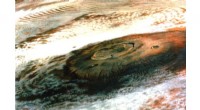
* Venus is covered in a diverse range of volcanoes, from small shield volcanoes to massive, complex structures like the "coronae."
* The number and variety of volcanoes suggest that volcanic activity has been ongoing for billions of years.
5. No Erosion:
* Venus has a dense atmosphere that traps heat and prevents erosion by wind or water.
* This allows volcanic features to remain preserved for extended periods, giving the planet its heavily volcanic appearance.
In summary:
* Venus's thick lithosphere, active hotspots, and intense internal heat drive frequent and explosive volcanic eruptions.
* The lack of erosion on Venus preserves these volcanic features, making it a planet dominated by volcanoes.