1. Compositional Clues:
* Isotopes: The relative abundance of different isotopes (atoms of the same element with varying neutron numbers) in Earth's rocks and minerals can be compared to those found in meteorites, which are remnants of the early solar system. This helps scientists understand the initial composition of the protoplanetary disk and the processes that led to the formation of different planetary bodies.
* Elemental Abundance: The relative abundance of elements like iron, silicon, magnesium, and oxygen in Earth's core, mantle, and crust tells us about the materials present in the protoplanetary disk and how they accreted to form Earth.
* Trace Elements: Rare elements like platinum, gold, and iridium are found in Earth's crust in minute quantities, but their presence and abundance provide insights into the processes that occurred during the early solar system.
2. Geological Evidence:
* Ancient Rocks: Earth's oldest rocks, found in Greenland and Australia, date back to over 4 billion years. These rocks hold records of the early Earth's environment, including clues about the impacts of asteroids and comets.
* Impact Craters: Crater remnants like the Sudbury Basin in Canada provide evidence of the intense bombardment that Earth experienced during its early formation, helping us understand the violent and chaotic nature of the early solar system.
* Continental Drift and Plate Tectonics: Earth's dynamic geology, including the movement of continents and the subduction of tectonic plates, has helped scientists understand the evolution of the planet's surface and its internal structure.
3. Atmospheric Evidence:
* Atmospheric Composition: Earth's atmosphere, primarily composed of nitrogen and oxygen, has been influenced by geological and biological processes over billions of years. Its composition offers clues about the early Earth's atmosphere and how it has evolved.
* Trace Gases: The presence of rare gases like helium and neon in Earth's atmosphere provides insights into the origin and evolution of the solar system's atmosphere and the role of solar wind.
4. Comparative Planetology:
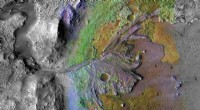
* Comparison with other Planets: By studying other planets in the solar system like Mars, Venus, and Mercury, scientists can compare their composition, geology, and atmosphere to Earth's. This comparative approach helps us understand the processes that led to the diversity of planetary bodies in our solar system.
5. Evidence of Early Life:
* Fossil Records: Fossils found in ancient rocks provide evidence of early life on Earth, dating back billions of years. This helps scientists understand the conditions that led to the emergence of life and its role in shaping Earth's environment.
By studying all these clues found within Earth, scientists are constantly refining their understanding of the origin and evolution of our solar system. It's a captivating journey into the past that continues to reveal fascinating stories about the universe we live in.