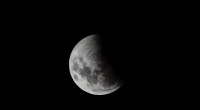
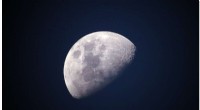
* Phases similar to the Moon: Galileo observed that Venus went through phases, just like the Moon. This was a significant finding because in the geocentric model, Venus was believed to orbit the Earth and always present the same face towards us. If this were true, Venus should never appear as a crescent or full.
* Varying Size: He also noticed that Venus appeared to change size as it went through its phases. It was largest when it was a crescent and smallest when it was full. This again contradicted the geocentric model, which would predict a constant size for Venus.
These observations were consistent with the heliocentric model, where both Venus and Earth orbit the Sun. In this model, the varying phases and size of Venus are explained by its changing position relative to both the Earth and the Sun.
Galileo's findings were controversial at the time, as they challenged the established beliefs of the Church and other authorities. However, his observations were a major contribution to the scientific revolution and ultimately helped to establish the heliocentric model as the dominant view of the solar system.