Here's why:
* Different definitions: "Heavenly body" can mean different things. It could include:
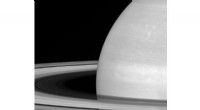
* Planets: The eight main planets (Mercury, Venus, Earth, Mars, Jupiter, Saturn, Uranus, Neptune)
* Dwarf planets: Pluto, Ceres, Eris, Makemake, Haumea, and many more
* Moons: Natural satellites orbiting planets and dwarf planets (like our Moon, Jupiter's moons, etc.)
* Asteroids: Rocky bodies, mostly found in the asteroid belt between Mars and Jupiter.
* Comets: Icy bodies that orbit the Sun, often leaving a trail of dust and gas.
* Other small objects: There are countless smaller objects like meteoroids, dust particles, and even rings around some planets.
* Constant discovery: Astronomers are constantly discovering new objects in our solar system. This means the number of heavenly bodies keeps changing!
Instead of a number, here's a more useful breakdown:
* Planets: 8
* Dwarf planets: Over 200 are currently recognized, with many more likely
* Moons: Hundreds, and probably thousands, depending on how you define a moon.
* Asteroids: Millions, possibly billions.
* Comets: Billions, likely.
So, the answer is really a vast, ever-changing number!