Current Challenges:
* Extreme Temperatures: Mercury has the most extreme temperature swings in the solar system, ranging from a scorching 430°C (800°F) during the day to a frigid -180°C (-290°F) at night. This drastic temperature difference would make it incredibly difficult to build and maintain a habitable environment.
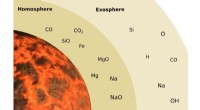
* No Atmosphere: Mercury has a very thin, practically nonexistent atmosphere called an exosphere, which provides no protection from solar radiation, meteoroids, or the harsh vacuum of space.
* Solar Radiation: Mercury is the closest planet to the Sun and is bombarded with intense solar radiation, which is incredibly damaging to life.
* Limited Resources: While there might be some water ice at the poles, the planet is generally lacking in the resources necessary for sustaining life.
* Gravity: Mercury's weak gravity (about 38% of Earth's) would have significant health impacts on humans in the long term.
* Lack of a Magnetic Field: Mercury has a very weak magnetic field, offering little protection from solar wind and radiation.
Potential Solutions for the Future:
* Underground Habitats: Building habitats beneath the surface of Mercury could provide protection from radiation and temperature extremes.
* Advanced Technology: Developing advanced technologies like radiation shielding, artificial gravity, and advanced life-support systems could potentially make Mercury habitable.
* Terraforming: While highly speculative and far in the future, terraforming Mercury could potentially create a more hospitable environment.
Conclusion:
While living on Mercury is currently impossible due to its extreme environment and lack of resources, future technologies and advancements could potentially make it a possibility. However, even with these advancements, living on Mercury would require significant technological and engineering feats to overcome the extreme conditions and resource scarcity.