Spaceflight and Human Physiology:
* Human Tolerance to Spaceflight: The Mercury missions proved that humans could survive and function in the harsh environment of space. They collected data on the effects of weightlessness, radiation, and isolation on the human body.
* Importance of Life Support Systems: The Mercury missions highlighted the critical need for reliable life support systems, including oxygen supply, temperature control, and waste management.
* Astronaut Selection and Training: The Mercury program established the importance of rigorous astronaut selection and training to prepare individuals for the demands of spaceflight.
Spacecraft Design and Engineering:
* Capsule Design: The Mercury capsule design, while rudimentary, demonstrated the feasibility of small, reusable spacecraft. It provided valuable data for future capsule design.
* Launch Vehicle Development: The development of the Atlas launch vehicle, which propelled the Mercury spacecraft into orbit, was a significant technological achievement.
* Re-entry and Recovery: The Mercury program successfully tested and perfected the re-entry and recovery procedures for a crewed spacecraft, a crucial element for safe return from orbit.
Scientific Discoveries:
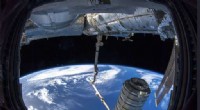
* Earth Observations: While not a primary scientific objective, the Mercury missions provided early insights into Earth's appearance from space, inspiring future Earth observation programs.
**Beyond the immediate technical advancements, the Mercury missions served as a monumental morale boost for the United States during the Cold War. They solidified America's role as a leader in space exploration and fueled public enthusiasm for space travel.
However, it's crucial to acknowledge that the Mercury program was only the first step in human space exploration. While it provided valuable knowledge, it also highlighted the numerous challenges and risks associated with space travel, paving the way for future missions that aimed to address those challenges and push the boundaries of human understanding of the universe.